Mondo Gira, making the planet make sense, by Elisabetta Aebischer-Gobbi, chemist
My name is Elisabetta. I'm a chemist and science communicator.
Scroll down the page. I'll take you to see what makes the world go round.
CO2 is not a grey monster.
It's a blanket that keeps the Earth warm. All is well so long as our atmospheric blanket doesn't get too thick.
The ocean swallows about a quarter of our CO2.
With more CO2, ocean water becomes more acidic, making it harder for sea creatures to build their shells. In 2025, ocean acidification became the seventh of the nine planetary boundaries to be crossed.
The most important chemistry in the world happens inside a leaf.
With light, water and CO2, leaves produce sugar and oxygen. No noise and no factory.
I spent twenty years in petrochemicals.
I know these molecules from the inside. One day I decided to stop pushing plastics and start promoting a better understanding of the world instead.
Mondo Gira, making the planet make sense
A new way to understand the planet.
Talks, workshops and training for schools, companies and the general public. With facts, games and infectious curiosity. No drama, no guilt.
Mondo Gira, making the planet make sense
A new way to understand the planet.
I'm Elisabetta Aebischer-Gobbi, a chemist and science communicator. I make planetary issues easy to understand, without drama or guilt.
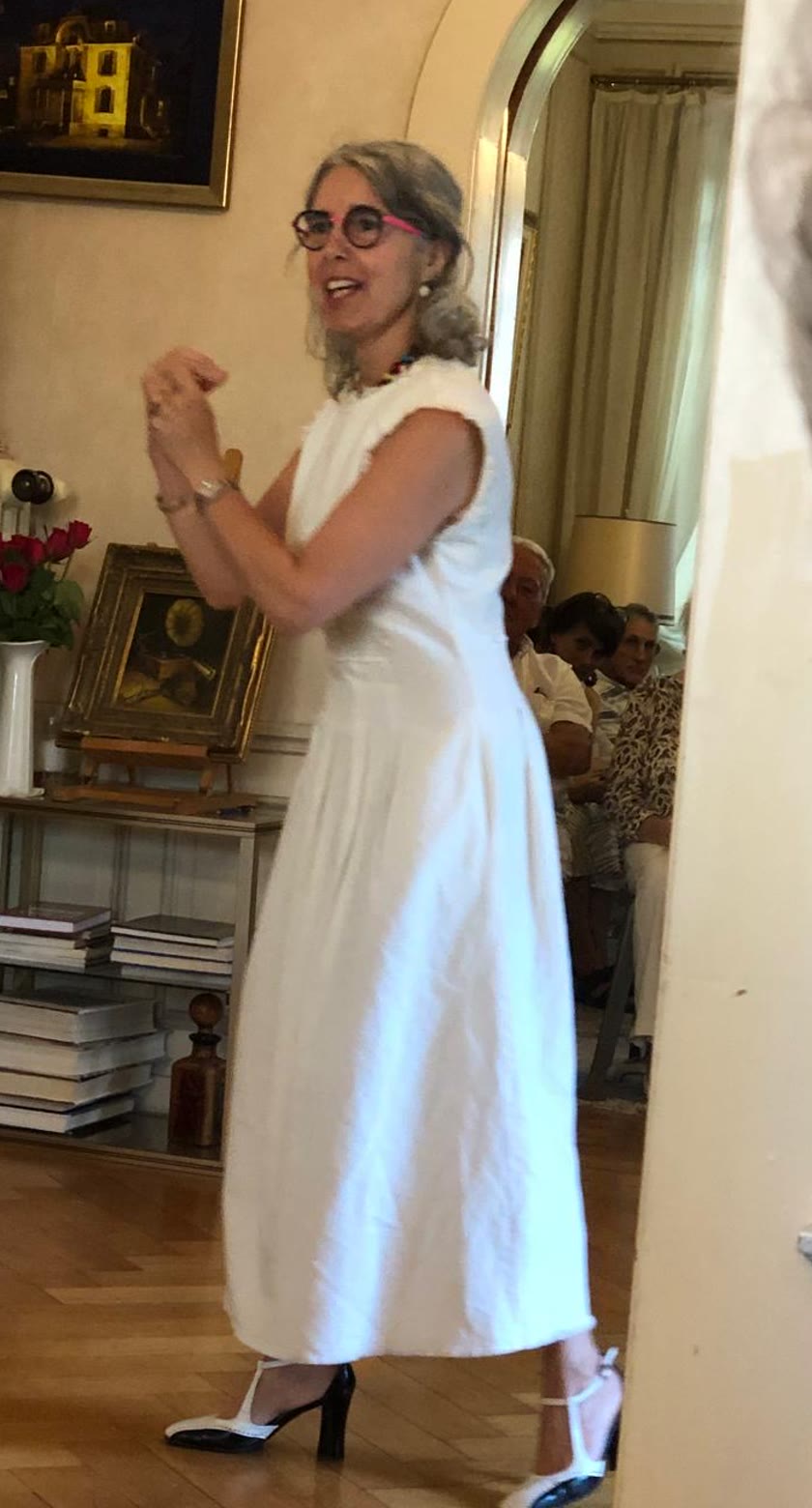
A chemist who changed course
First, I learned to look at matter very closely. Bologna, then Vancouver, and still later the labs of EPFL in Lausanne, Switzerland. After that, I worked in the petrochemical industry for twenty years.
From the inside, I saw the pressure this industry puts on the planet. So I changed course. I studied sustainability at the University of Geneva, and today I use my science to pass on knowledge.
My goal is simple: that everyone understands what is happening, in clear words, and can make up their own mind.
“I know the system from the inside.”
- University of BolognaChemistry studies
- UBC in Vancouver and EPFL in LausanneResearch
- Petrochemical industryTwenty years in the field
- University of GenevaDiploma in sustainability
- TodayTalks, workshops, training and a book
What I offer
Every session starts from simple questions and concrete examples. We observe, we search, we connect the dots. Then everyone leaves with their own keys.
-
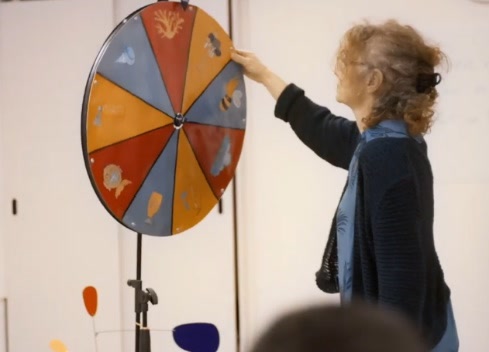
Schools and teachers
Workshops for pupils and training for teachers. To talk about the climate in class in simple words, without scaring anyone.
Formats 45- to 90-minute workshop, talks for different school levels, continuing education, theme week.
-
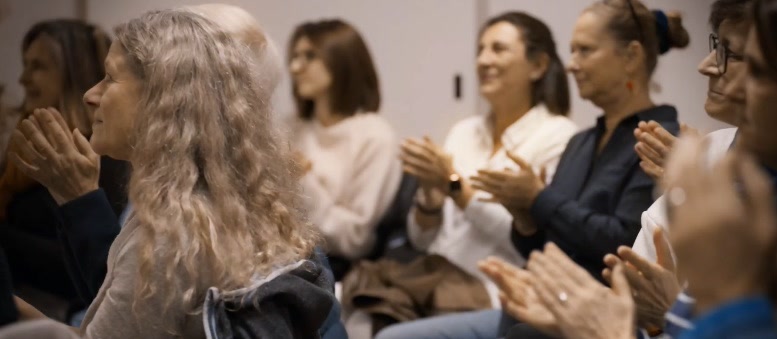
Companies and institutions
Talks and hands-on workshops to understand the links between our activities and the limits of the planet. No guilt, and real room for action.
Formats Playful talk, team workshop, in-house training, session at an event.
-

General public and children
Activities built around the book, the app and games. For libraries, museums, festivals and families.
Formats Reading session, children's workshop, family activity, app demonstration.
Upcoming dates
-
The rules of the planet, playing with the limits
With music by Marie L.
11 November 2026, 6.30 pm
L'atelier, place de Notre-Dame 16, 1700 Fribourg -
The rules of the planet: playing with the limits
Continuing education for teachers
18 March 2027, 5.30 pm
Université de Fribourg, rue de Morat 24-36, 1700 Fribourg
Register by 13 March 2027.
New dates are coming soon. Write to me to organise a session near you.
The rules of the planet: playing with the limits
Nine boundaries keep the Earth in a state that is good for human life. You can discover them by playing with the wheel that I use in my workshops.
Spin the wheel to discover a boundary.
Researchers' 2025 check-up: 7 of the 9 boundaries have been crossed. The ozone layer, however, is healing. So we can act.
Source: Planetary Health Check 2025, Potsdam Institute for Climate Impact Research.
- Climate, crossed. Too much CO₂ and other gases are thickening the blanket around the Earth.
- Biodiversity, crossed. Species are disappearing much faster than normal, and ecosystems are weakening.
- Forests and land, crossed. Too many forests are being turned into fields, roads or cities.
- Fresh water, crossed. We are disrupting the water in rivers and the moisture in soils.
- Nitrogen and phosphorus, crossed. Excess fertiliser runs off into rivers and seas, where it chokes life.
- New substances, crossed. Plastics, pesticides, chemicals: we release them faster than we can study them.
- Ocean acidification, crossed since 2025. The ocean absorbs our CO₂ and becomes more acidic. Corals and shellfish suffer.
- Ozone layer, safe zone. Since CFC gases were banned in 1987, it has been healing. Proof that we can act together.
- Particles in the air, safe zone. Worldwide, pollution from fine particles stays below the limit. But not everywhere.
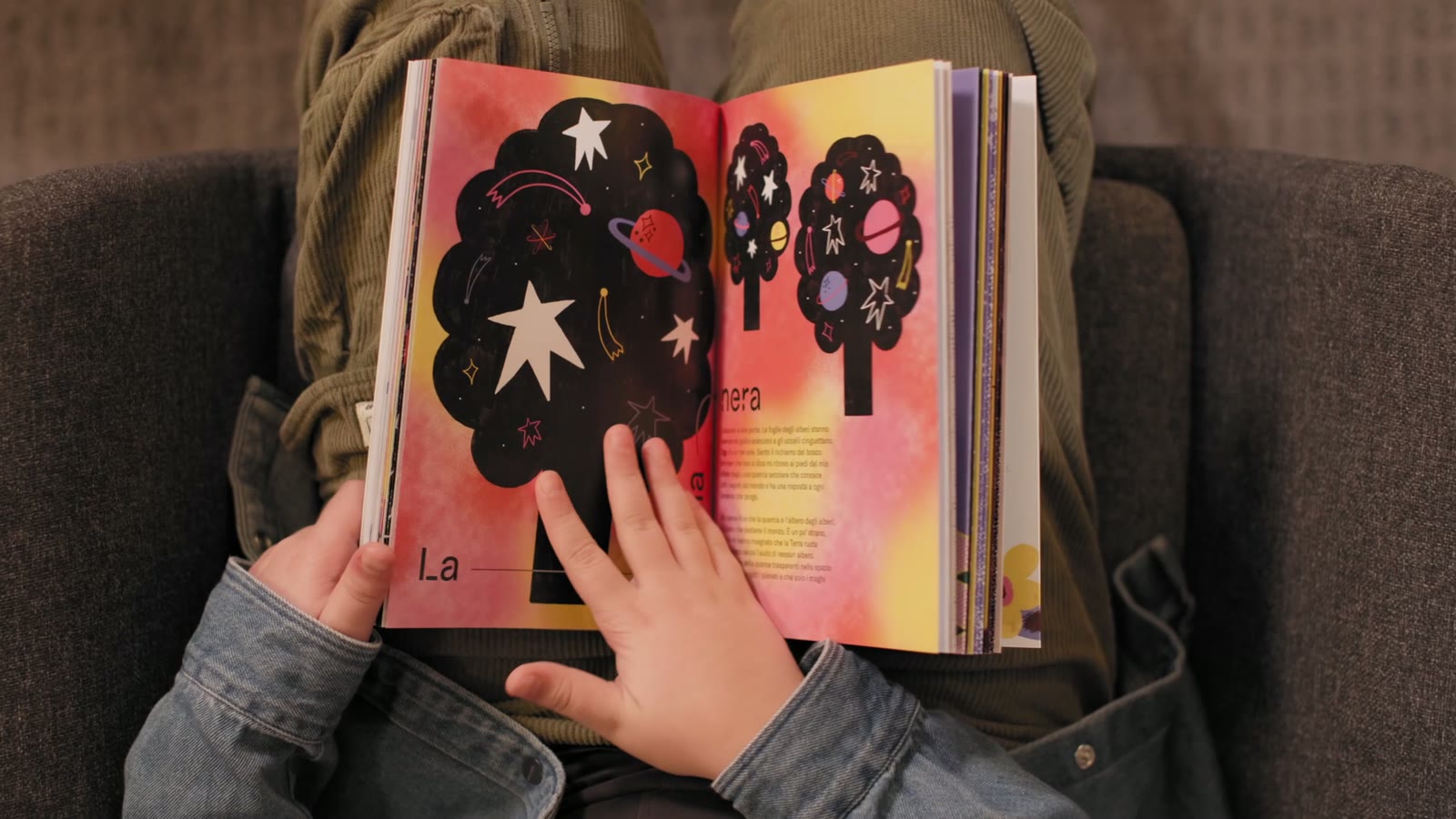
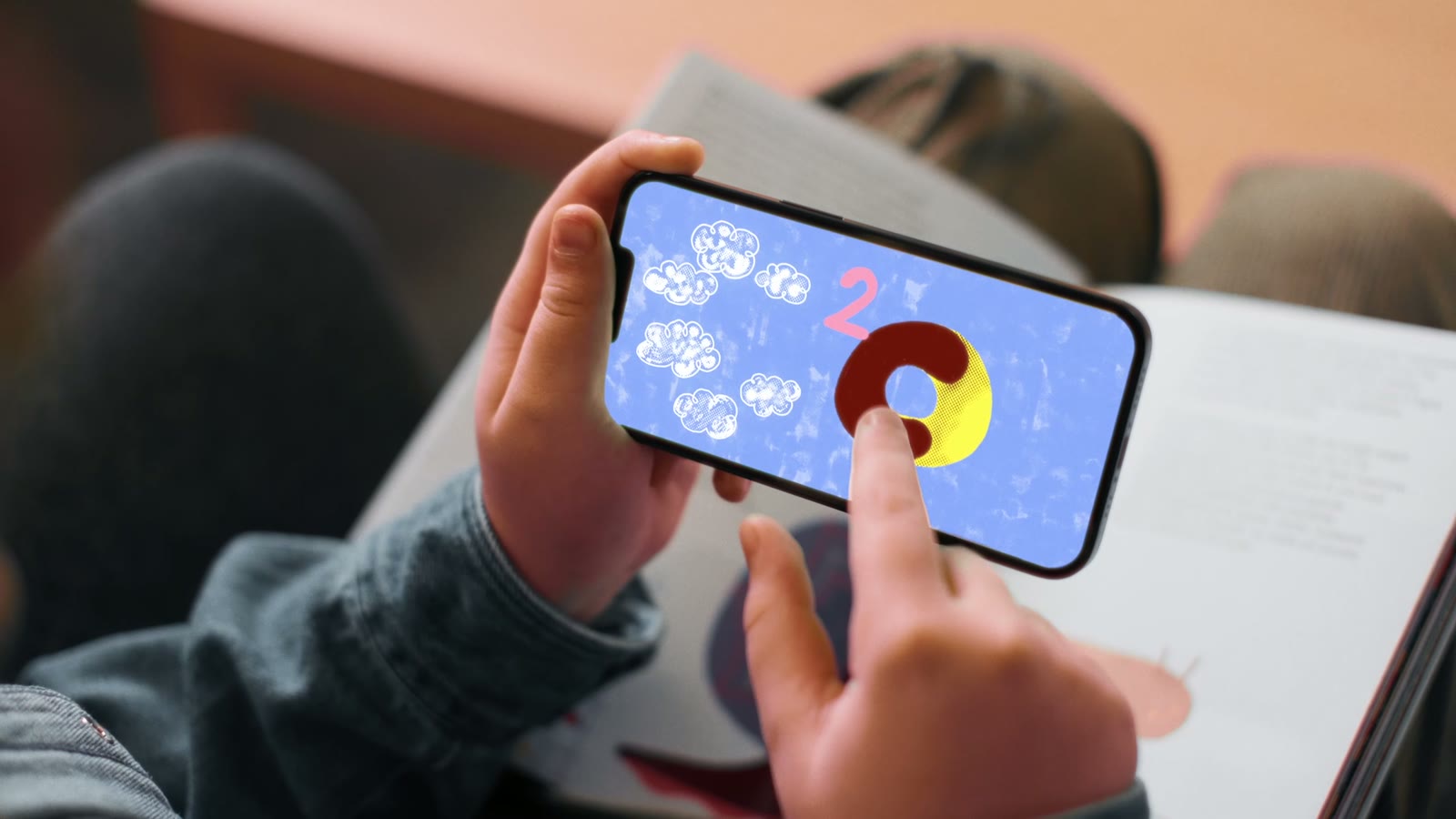
The Chemist-Artist
A game book for ages 10 to 13
Lasei is a dreamy boy. He feels that nature is talking to him, with letters, signs and numbers hidden in the clouds, the leaves or the sand. To understand the message, he needs the reader.
In every chapter, there's a clue. With the app, you scan the page, solve the puzzle, and a short video explains what you have just discovered. At the end, all the clues form a secret formula.
- Available in English, French (L'artiste chimiste) and Italian (L'artista chimico)
- 7 chapters, 7 clues
- An app to download with the book's QR code
- Illustrations by Isabella Bersellini
- Also for class, as guided reading
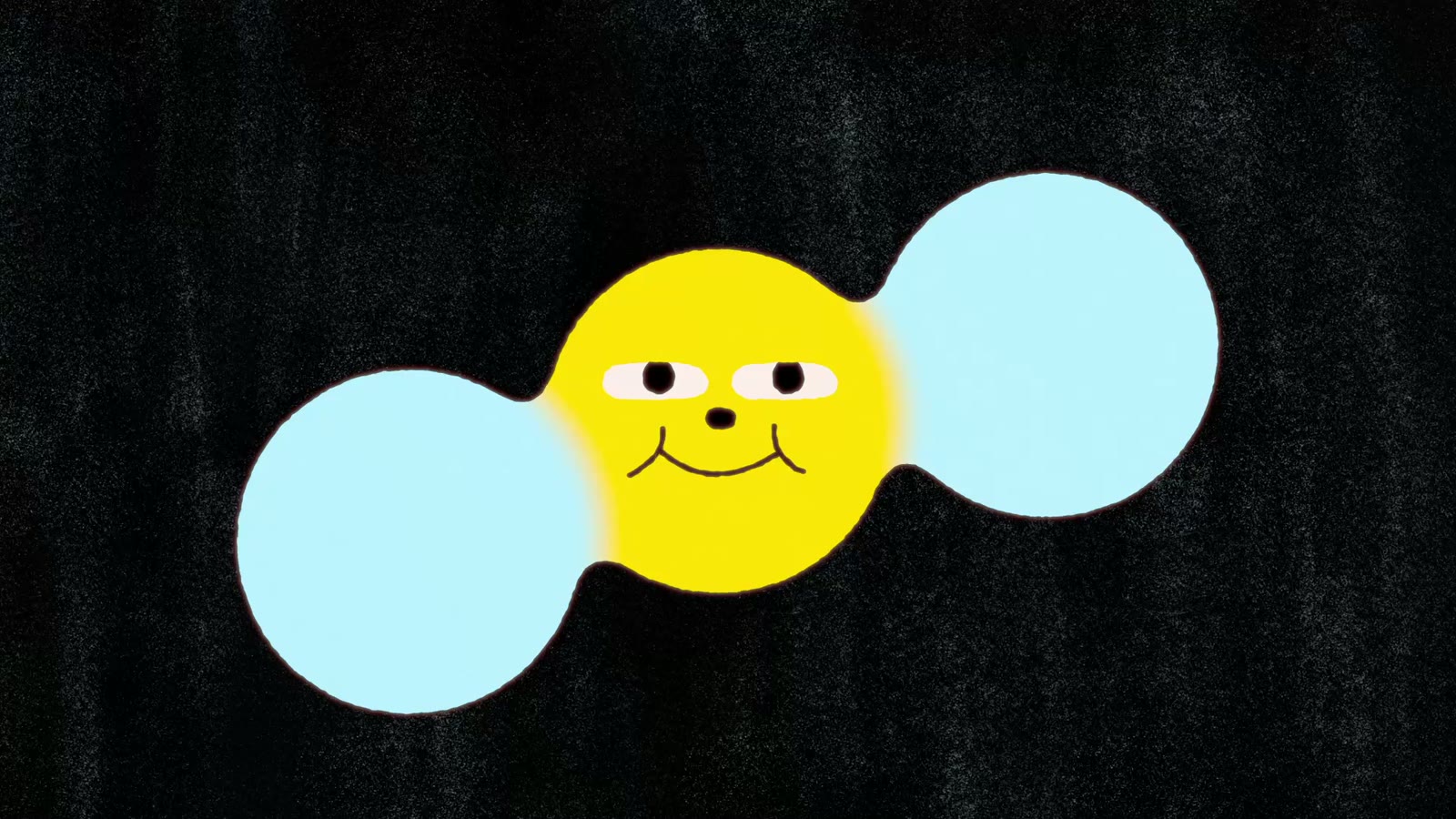
How it works
-
1
You write to me
Your audience, their age, the time you have and the place.
-
2
We talk it over
A short conversation to choose the right format and topic.
-
3
I come to you
A talk, workshop or training, with my tools: the wheel, the book, the app.
-
4
And afterwards
I leave you ideas to keep going in class or as a team.
Your questions
Won't this worry the pupils?
No, quite the opposite. I start from what they see every day, I give clear facts and I leave room for their questions. We talk about the planet with a clear head, without fear and without guilt.
My audience isn't scientific. Is it too complicated?
Explaining science is my job. I use pictures, stories and games. Nobody needs to know any chemistry to follow.
How long does a session last?
A workshop usually lasts 45 to 90 minutes. A talk lasts about an hour and a half. Everything adapts to your schedule.
Are you an activist?
I'm a scientist. I explain how the planet works and what research says. Then everyone makes up their own mind.
Where do you work?
I live in Marly, near Fribourg, and I travel across French-speaking Switzerland. I give sessions in French, English and Italian. For places further away, write to me.
How much does it cost?
The fee depends on the format, the length and the audience. Write to me and I'll send you a clear proposal.
Contact me
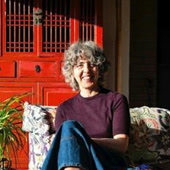
Tell me who you are and what you have in mind. I reply personally.
- elisabettaaebischer@gmail.com
- +41 79 176 94 10
- Marly, Fribourg